7-1. Introduction
The power integrity (PI) of the DC power line is key to enable electronic circuits to rapidly operate at low voltage.
The previous theme, Noise Suppression Measures around Digital IC Power Supplies, explained how to ensure PI and implement noise suppression measures for digital IC. While it is ideal to take thorough noise suppression measures around the power supply of each IC, on electronic circuit boards where multiple circuits are active, noise propagates to the connected DC power cable, which can create a problem.
Not only from the power system, noise can also be emitted from different circuits, such as digital signal circuits and DC-DC switching converters (the "DC-DC"), and propagate to the DC power cable via the grounding as common mode noise.
So in this theme, we discuss noise suppression measures with a focus on the DC power cable connection.
7-2. Example of noise suppression at the DC power cable connection
7-2-1. Evaluation board and initial noise measurement result
The evaluation board created in this example incorporates a DC-DC and a digital circuit, as well as noise suppression at the DC power cable connection.
The external view of this test board is shown in Figure 2-1. The circuit diagram is provided in Figure 2-2.
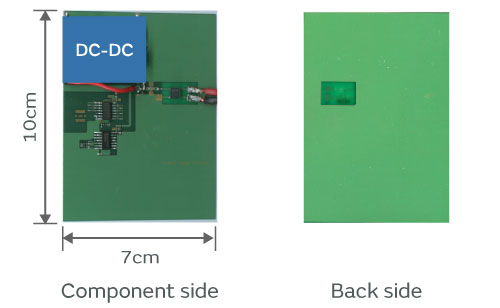 Figure 2-1. Evaluation board
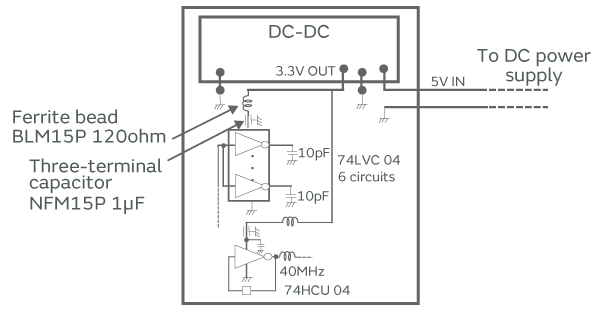 Figure 2-2. Circuit diagram
This board inputs 5 V to the DC-DC from the DC power supply via a cable and supplies its 3.3 V output to the digital circuit.
The digital circuit produces square-wave oscillation at 40 MHz and outputs it to the NOT circuit. The output of the NOT circuit is terminated by a capacitor near the terminal. The power input of the digital circuit is equipped with ferrite beads or a capacitor for noise suppression.
Figure 2-3 shows the measurement conditions for radiated emission.
Measurement was taken in an anechoic chamber by rotating the turntable once while the distance between the EUT and the antenna was kept at 3 m, with the antenna at a height of 1 m and fixed to emitting horizontally polarized waves.
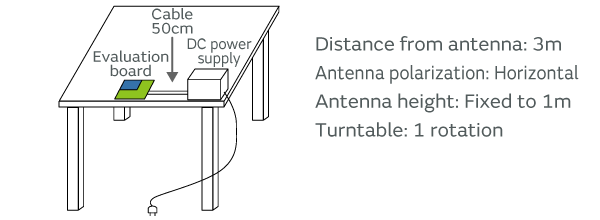 Figure 2-3. Conditions for measuring radiated emission
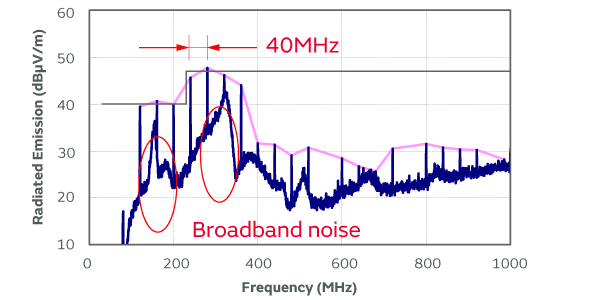 Figure 2-4. Measurement results of the radiated emission (actual measurement)
Figure 2-4 shows the measurement results of the radiated emission.
We observed a generation of narrow-band noise at 40 MHz intervals. There was also a superposition of broadband noise at the base.
- *In this article, narrow spectrum width is expressed as "narrow band" and broad spectrum width is expressed as "broadband." However, a case where narrow spectrum covers a wide frequency range may be called "broadband noise."
7-2-2. Analysis of broadband noise
First, we analyzed the broadband noise near 150 MHz.
To improve the frequency resolution, we limited the spectrum analyzer's measurement range to 2 MHz and changed the resolution bandwidth (RBW) to 10 kHz from 120 kHz. As a result (Figure 2-5), we observed noise at 150 kHz intervals. This also shows that the broadband noise is a 150 kHz harmonic.
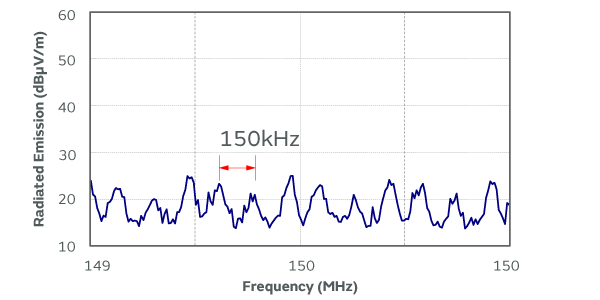 Figure 2-5. Magnified view at 150 MHz (RBW 10 kHz)
Examples of DC-DC input-output waveforms and voltage spectra are provided in Figure 2-6. Since the DC-DC outputs square waves due to its switching action, harmonic noise also becomes a problem like with the case of digital signals.
While the switching (SW) frequency and duty ratio fluctuate with load conditions, with this test board, the DC-DC is switching at 150 kHz, which matches the frequency interval of radiated emissions. From this, you can say that the broadband noise is generated by the DC-DC.
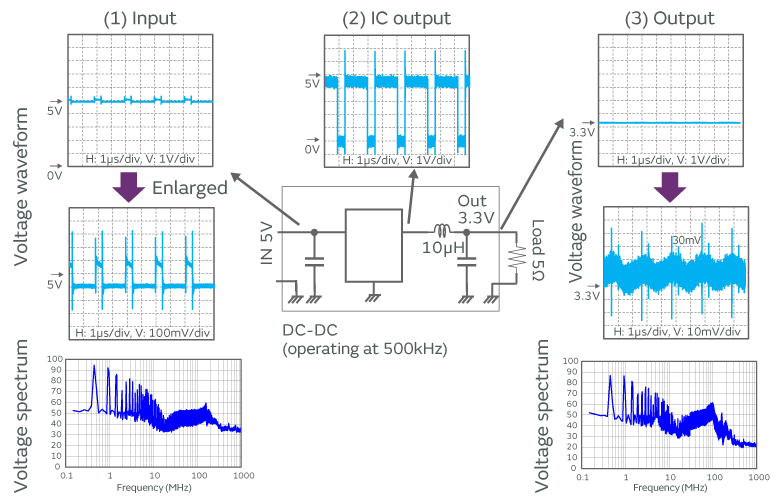 Figure 2-6. DC-DC voltage waveform and spectrum
The reason why the frequency resolution improves with narrow RBW is shown in Figure 2-7.
The spectrum analyzer scans the band-pass filter's passband to measure its voltage. The resolution improves because the filter band narrows as the RBW gets smaller. However, analysis will be difficult if the frequency change width increases with higher-order harmonics. Analysis may also become difficult when there is a fluctuation in switching frequency due to changes in DC-DC load, or if spectrum spread (SS) is taking place to suppress noise.
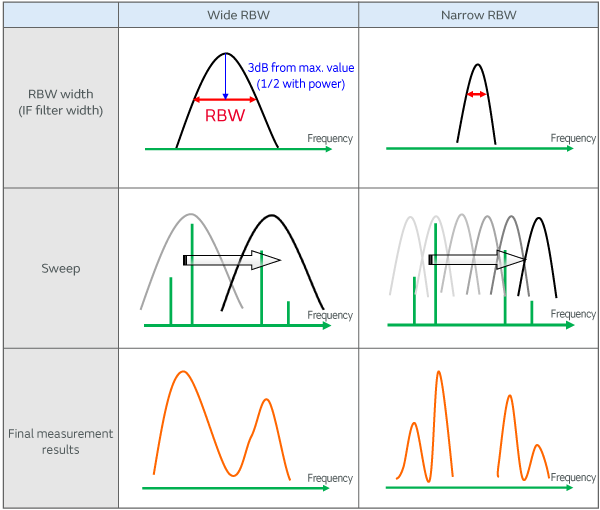 Figure 2-7. Difference in measurement results based on RBW
7-2-3. Analysis of narrow-band noise (40 MHz harmonics)
Since 40 MHz is the same frequency as the digital circuit's operating frequency, it is likely to be its harmonic.
However, noise suppression is already implemented on the power input of the digital circuit, and the output is also terminated with a capacitor, which means that it is not directly connected to the DC power cable.
To understand the situation, we measured the noise level on the board by using a contact EMI probe as shown in Figure 2-8. We connected the contact probe to the spectrum analyzer and relatively compared the noise level at different areas on the board.
 Figure 2-8. Capacitive coupling EMI probe
The measurement results are shown in Figure 2-9. As a result, we found that the digital IC's GND noise level is high and the noise was propagating all the way to the DC power cable connection.
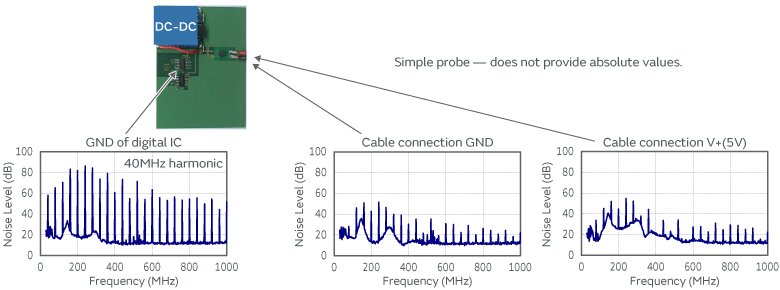 Figure 2-9. Results of GND noise level check using an EMI probe
For the purpose of clarification, we scanned the board with a magnetic field probe to visualize the magnetic field distribution.
The magnetic field probe and the measurement area are shown in Figures 2-10 and 2-11, respectively.
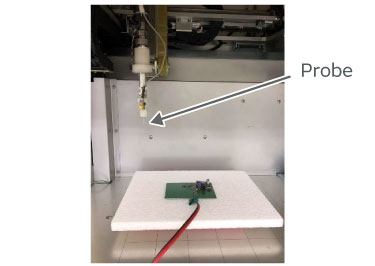 Figure 2-10. Magnetic field probe
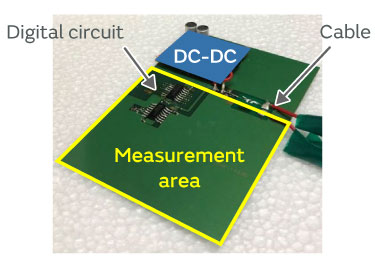 Figure 2-11. Measurement area
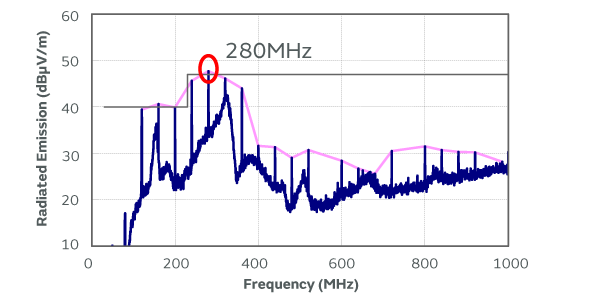 Figure 2-12. Measurement frequency
The results of magnetic field distribution measurement using a magnetic field probe are shown in Figure 2-13.
You can see that the noise around the digital circuit is strong and is propagating to the periphery.
We also measured the magnetic field distribution with the capacitor terminating the output of the NOT circuit removed.
The removal of the terminal capacitor decreased the electrical current flowing to GND, which possibly contributed to reducing the GND noise level.
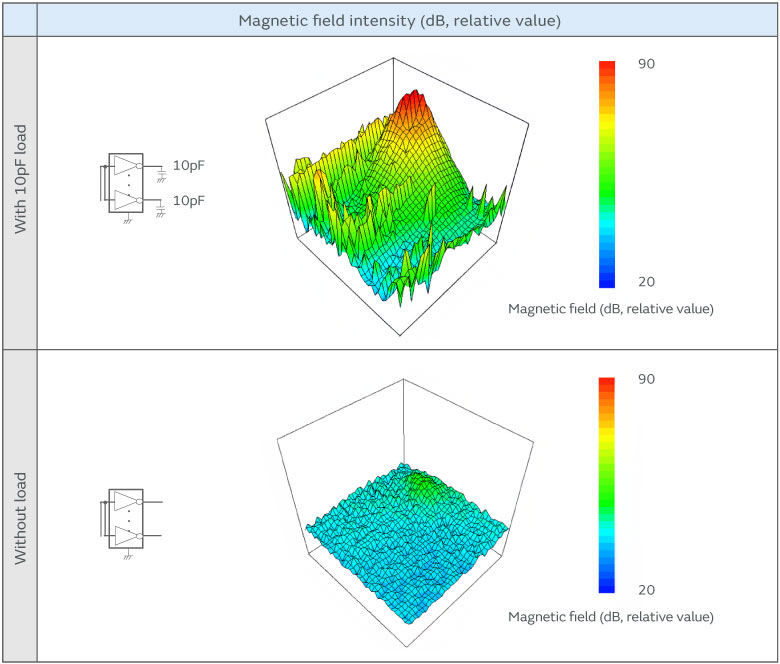 Figure 2-13. Magnetic field distribution measurement results around the digital circuit
7-2-4. Investigation of radiation source
Radiated emissions may not only occur in cables, but may also be produced from the board itself.
When we equipped the cable with ferrite core, radiated emissions dropped by more than 10 dB at peak points (Figure 2-14). This tells that the cable was a strong radiation source. However, due to the fact that strong radiation is remaining even after ferrite cores are attached, it can be considered that the board itself is a radiation source.
As noise may be emitted from the cable via GND, we connected a 50 cm cable to GND to observe radiated emissions. As a result, we discovered that the 40 MHz harmonics increased by more than 10 dB and thereby the noise derived from the digital circuit propagated to the cable via GND. We also found that the increase in the broadband noise by more than 5 dB caused the DC-DC-derived common mode noise to also propagate to the cable, leading to emission.
When we attached a cable only to the V+ side, broadband noise increased by 10 dB more than when only GND was connected. In this case, we observed emissions of both common mode noise from the V+ cable and differential mode noise from DC-DC.
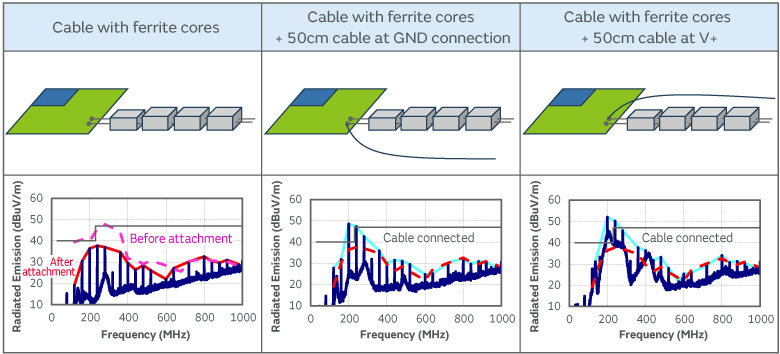 Figure 2-14. Radiated Emission Measurement Results from Cable
7-2-5. Differential mode and common mode noise suppression effects
Since we found out that the DC power cable has both differential mode noise and common mode noise, we implemented suitable measures for each type of noise (Figure 2-15).
- Differential mode noise suppression: Ferrite beads + Capacitor
→ Reduces broadband noise
- Common mode noise suppression: Common mode choke coil
→ Reduces 40 MHz harmonics
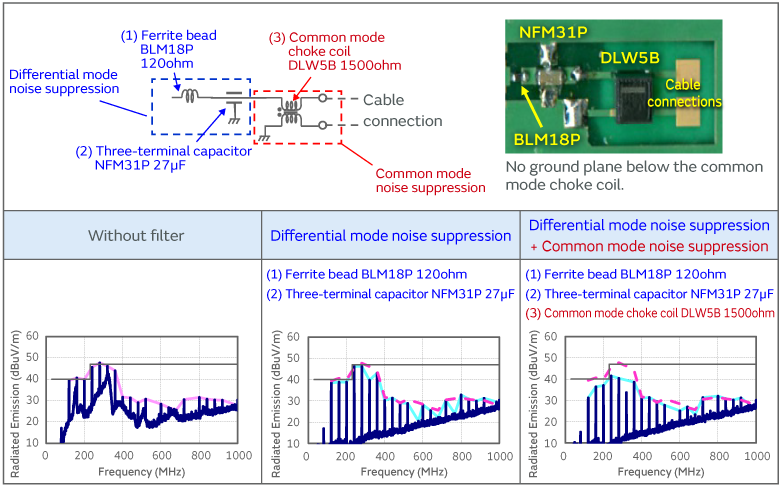 Figure 2-15. Suppression of emission from cable
7-3. Summary
The following noises were emitted from the prepared board:
- DC-DC-derived broadband differential mode noise and common mode noise
- Common mode noise from the digital circuit's 40 MHz harmonics
Since we found both differential mode noise and common mode noise are emitted, we implemented suitable measures for each type of noise.
- Differential mode noise suppression: Ferrite beads and capacitor
- Common mode noise suppression: Common mode choke coil
These measures were effective in suppressing radiated emissions. However, since the board itself is also emitting noise, for further suppression, we need to take measures for the actual electrical circuit—the source of noise—to reduce the noise level on the board.
Reference
When measuring noise in equipment with an AC/DC power cable or other cable, changing the DC power supply or the measurement location often creates an issue in data repeatability as well as correlation between the measurement locations. For example, if you take measurements in a different place, the length of cable routed under the floor and the grounding conditions will also be different. Such differences in the environmental conditions will also change the impedance of the power system. This results in a different noise distribution and affects the radiated emissions.
To observe the effect of the power system, a 3D electromagnetic field simulator and circuit simulator are linked together to visualize the noise in the DC power cable connection.
First, we simulated what effect the length of the DC power cable has on noise.
The simulation model is shown in Figure 1-1. In this simulation, we connected a DC power cable (hereinafter, cable) to the printed circuit board with a DC-DC converter, to supply DC power from the end of that cable.
Figure 1-(a) shows the electromagnetic field simulation model. The PCB is double-sided with a DC-DC converter and a power pattern on the top side and a GND pattern on the bottom side. To make the component layout visually stand out, dummy components are placed on the PCB. Part of the patterns are also a dummy.
Figure 1-(b) shows the circuit simulator model. The DC-DC converter consists of a switch, a diode, an inductor, and a capacitor.
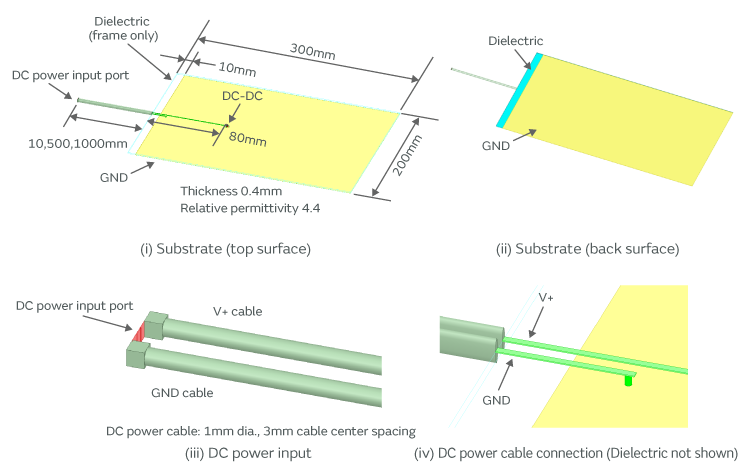 Figure 1-(a). 3D electromagnetic field simulation model
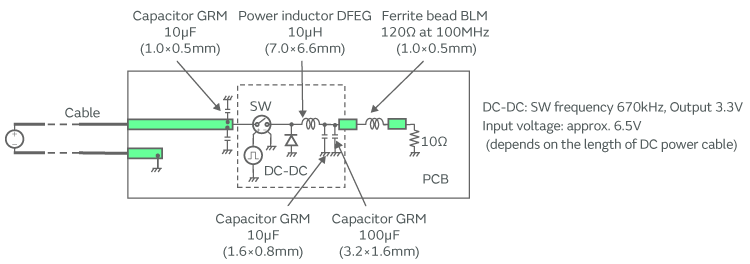 Figure 1-(b). Circuit simulator model
Figure 1. Simulation model
The radiated emissions for different DC power cable lengths are shown in Figure 2 while the magnetic field distribution is shown in Figure 3.
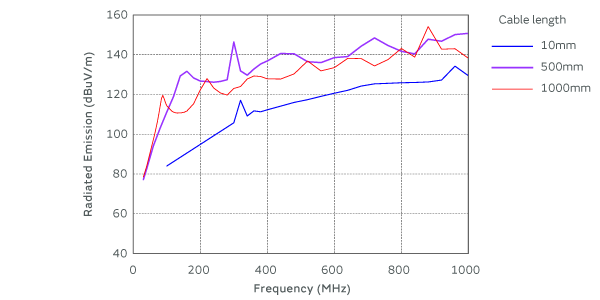 Figure 2. Difference in radiated emissions based on cable length
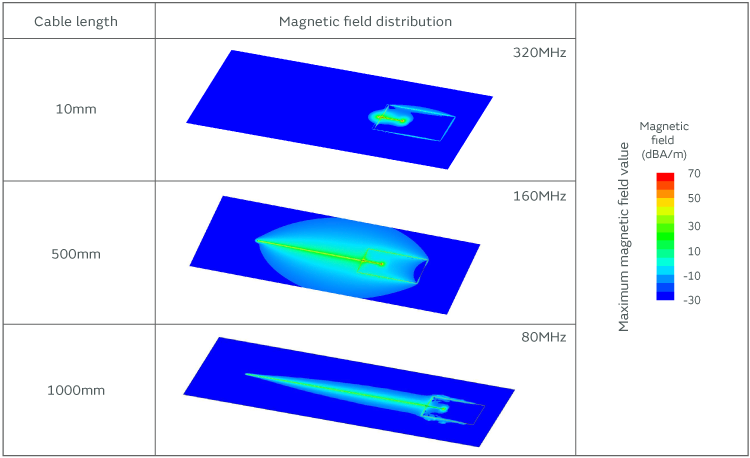 Figure 3. Difference in magnetic field distribution based on cable length and frequency
You can see that the resonant frequencies of the radiated emissions change according to cable length.
The magnetic field distribution for when the PCB is not grounded is characterized by the minimal magnetic field at the cable end face (DC power input). The magnetic field distribution changes when the cable is grounded.
Next, we will show you the simulation result of a case where the cable is grounded to the ground plane.
The ungrounded model only has a metal plate laid underneath the PCB and is not connected.
The grounded model has two additional metal plates that are placed upright. One of these metal plates is connected to the end of the DC power cable while the other is connected to the end of the PCB (Figure 4).
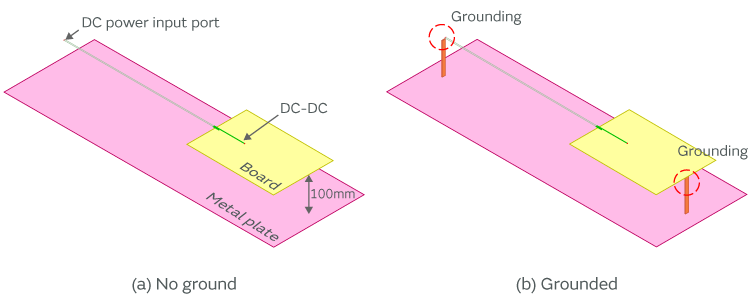 Figure 4. Simulation model for verifying the grounding effect
The results of the radiated emission simulation using these models are shown in Figure 5. The magnetic field distributions are shown in Figure 6.
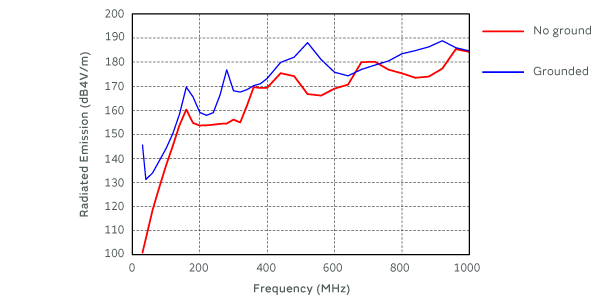 Figure 5. Effect of grounding conditions on radiated emissions
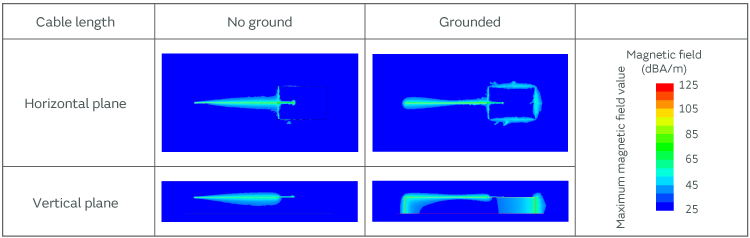 Figure 6. Effect of grounding conditions on magnetic field distribution
The magnetic field at the end of the cable was minimal when the cable was not grounded, but once grounded, the magnetic field increased at the end of the cable.
This affects the radiated emissions.
As we saw here, grounding conditions are also an important factor in noise measurement.
So that was the effect of the power system on noise.
The impedance differs depending on the power system, so it is important to use the same measurement conditions.
For this reason, some noise assessment standards specify the insertion of a Line Impedance Stabilization Network (LISN) or Artificial Mains Network (AMN) in order to stabilize the impedance of the DC power line or the AC power line.